
Septic Service Scheduling Guidelines
Septic service scheduling depends on various factors including usage patterns, tank size, and environmental conditions. Regular inspections and maintenance are essential to ensure proper functioning and to prevent costly repairs or failures. Typically, septic tanks should be inspected at least once every three years and pumped every three to five years, but these intervals can vary based on household size and system usage.
Spring and fall are ideal times for septic service due to moderate weather conditions and easier access for inspections and pumping.
Periods of increased household activity, such as holidays or family gatherings, may require more frequent septic checks to prevent overloading the system.
After heavy rains or storms, inspecting the septic system can prevent issues caused by water infiltration or runoff.
Scheduling inspections every three years helps identify potential problems early and maintains system longevity.
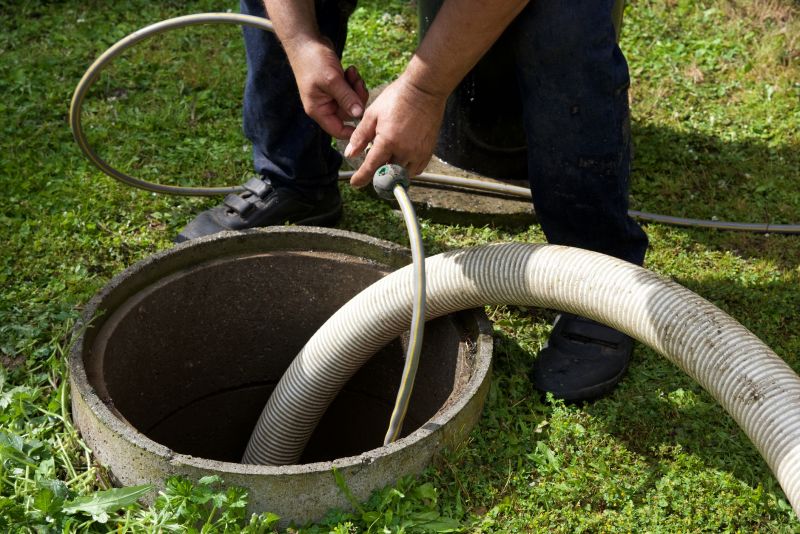
Technician inspecting septic tank components.
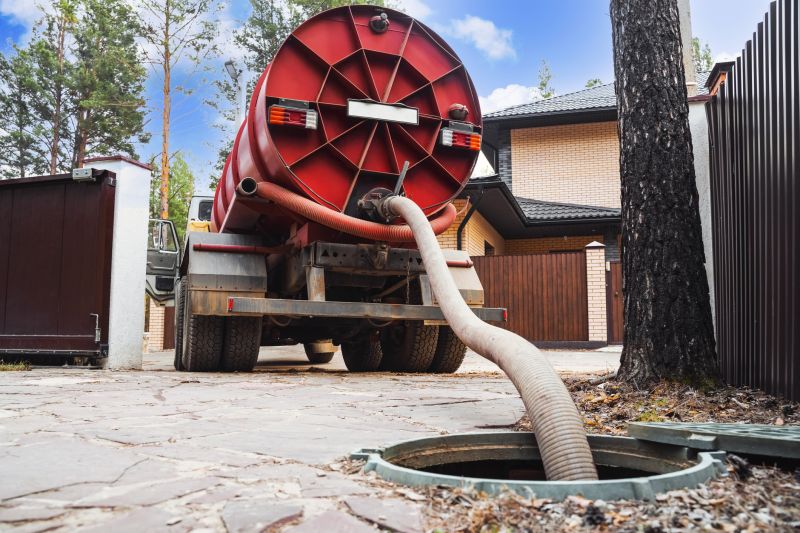
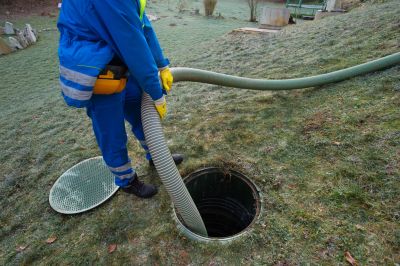
Pump truck removing waste from a septic tank.
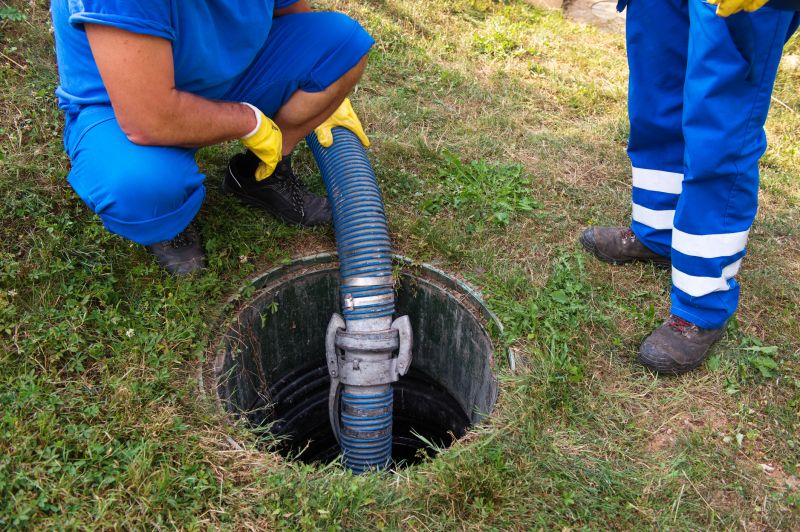
Technician performing septic check during spring.
Family enjoying their home with septic system in background.
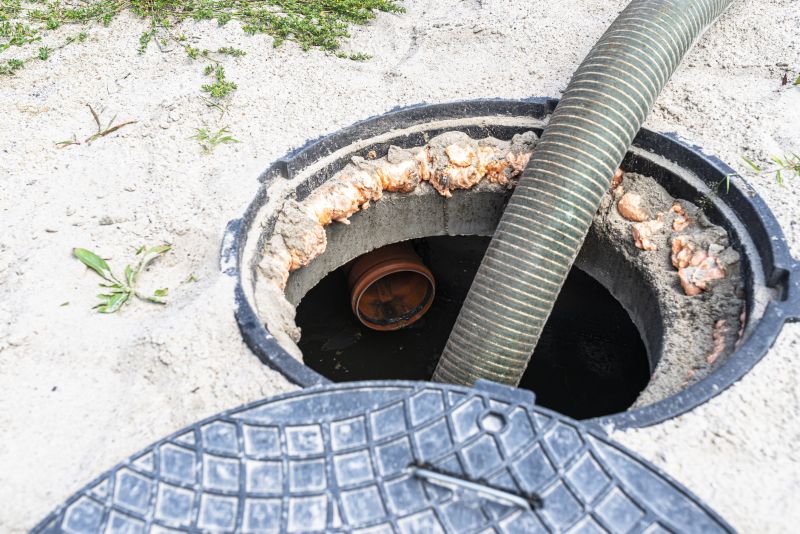
Assessing septic system after heavy rainfall.
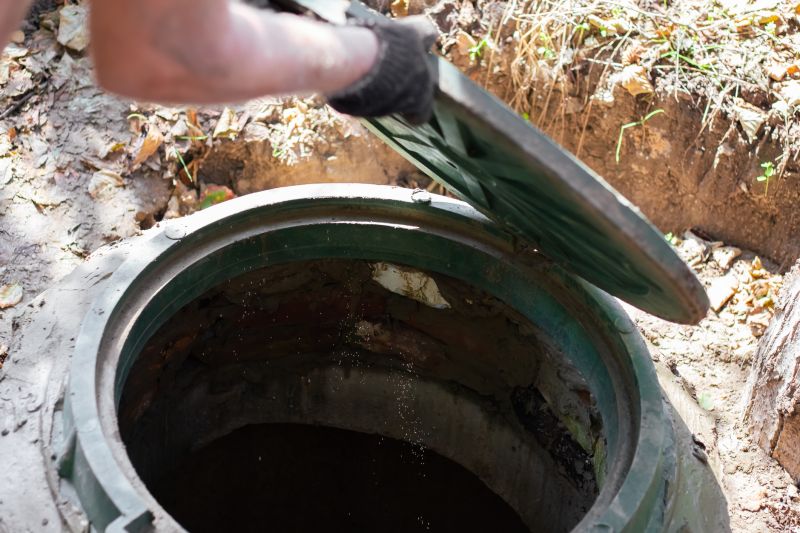
Cover removed for inspection and maintenance.

Close-up of septic tank parts and pipes.
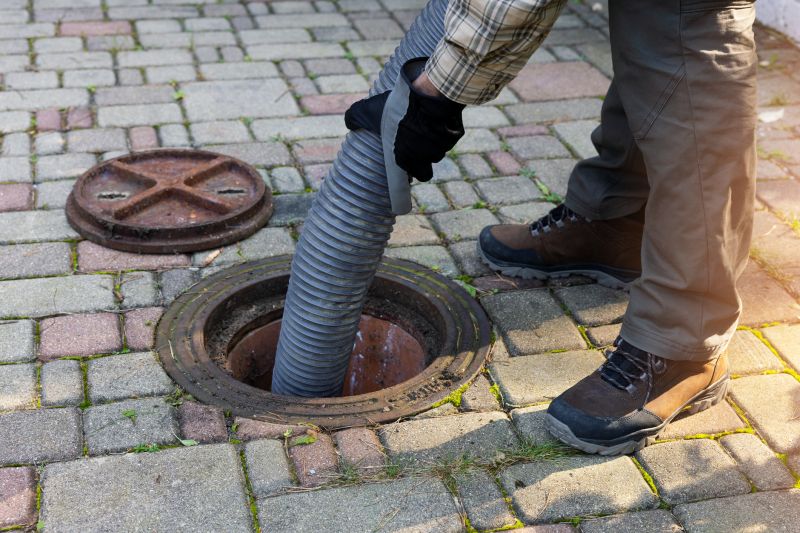
Tools and equipment used for septic servicing.
| Best Time for Septic Service | Key Considerations |
|---|---|
| Spring and Fall | Moderate weather, easier access |
| After Heavy Rain | Prevent issues from runoff |
| High Usage Periods | Prevent overloading |
| Post-Weather Events | Check for water infiltration |
| Routine Schedule | Every three years |
Septic service involves inspecting, cleaning, and maintaining septic tanks to ensure proper operation. Regular servicing can extend the lifespan of the system and prevent failures that may lead to costly repairs. Proper maintenance includes removing accumulated sludge, checking for leaks, and ensuring all components function correctly. Statistics indicate that neglecting septic system maintenance can lead to system failure in as little as five years, emphasizing the importance of timely service.

Pump truck removing waste from septic tank.

Technician using tools for septic system inspection.
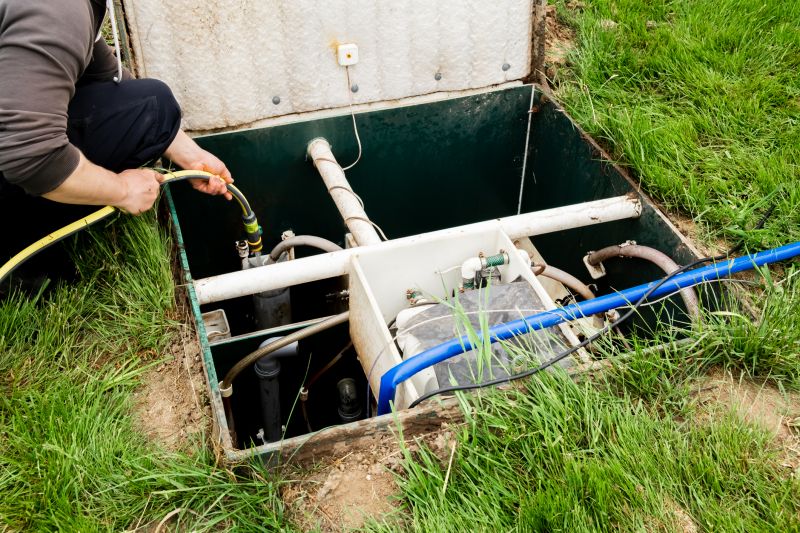
Technician performing routine maintenance.
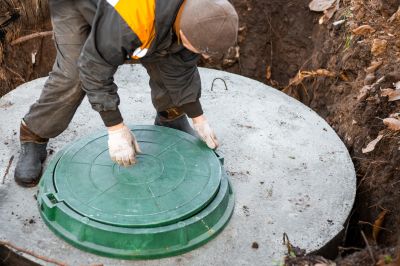
Close-up of septic tank parts.
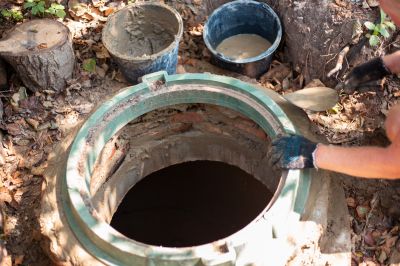
Simple add-ons that improve Septic Service without blowing the budget.
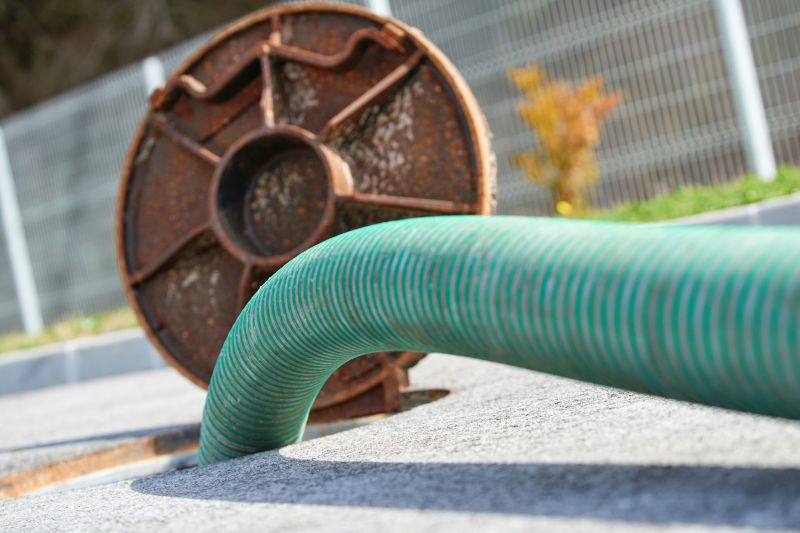
High-end options that actually feel worth it for Septic Service.
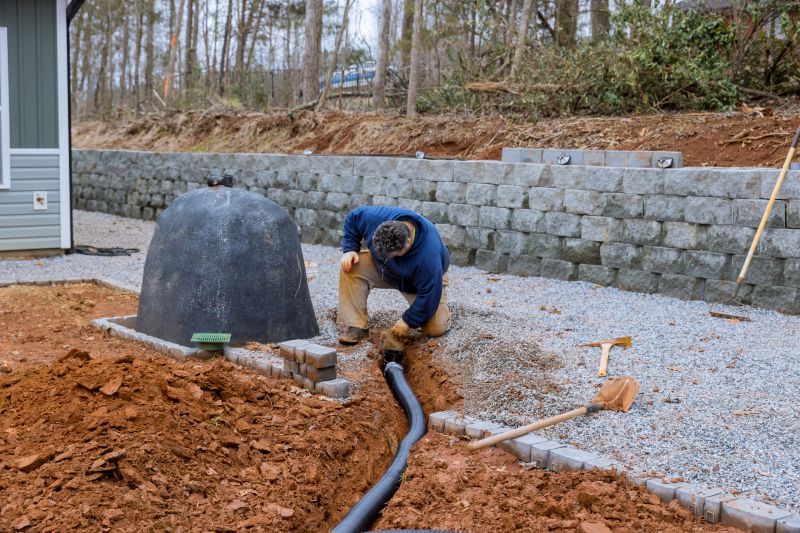
Finishes and colors that play nicely with Septic Service.
Little measurements that prevent headaches on Septic Service day.
Interested property owners or residents in Santa Barbara seeking reliable septic service are encouraged to contact for scheduling inspections or maintenance. Proper timing and regular servicing help ensure the longevity and proper functioning of septic systems, avoiding potential environmental and property damage.